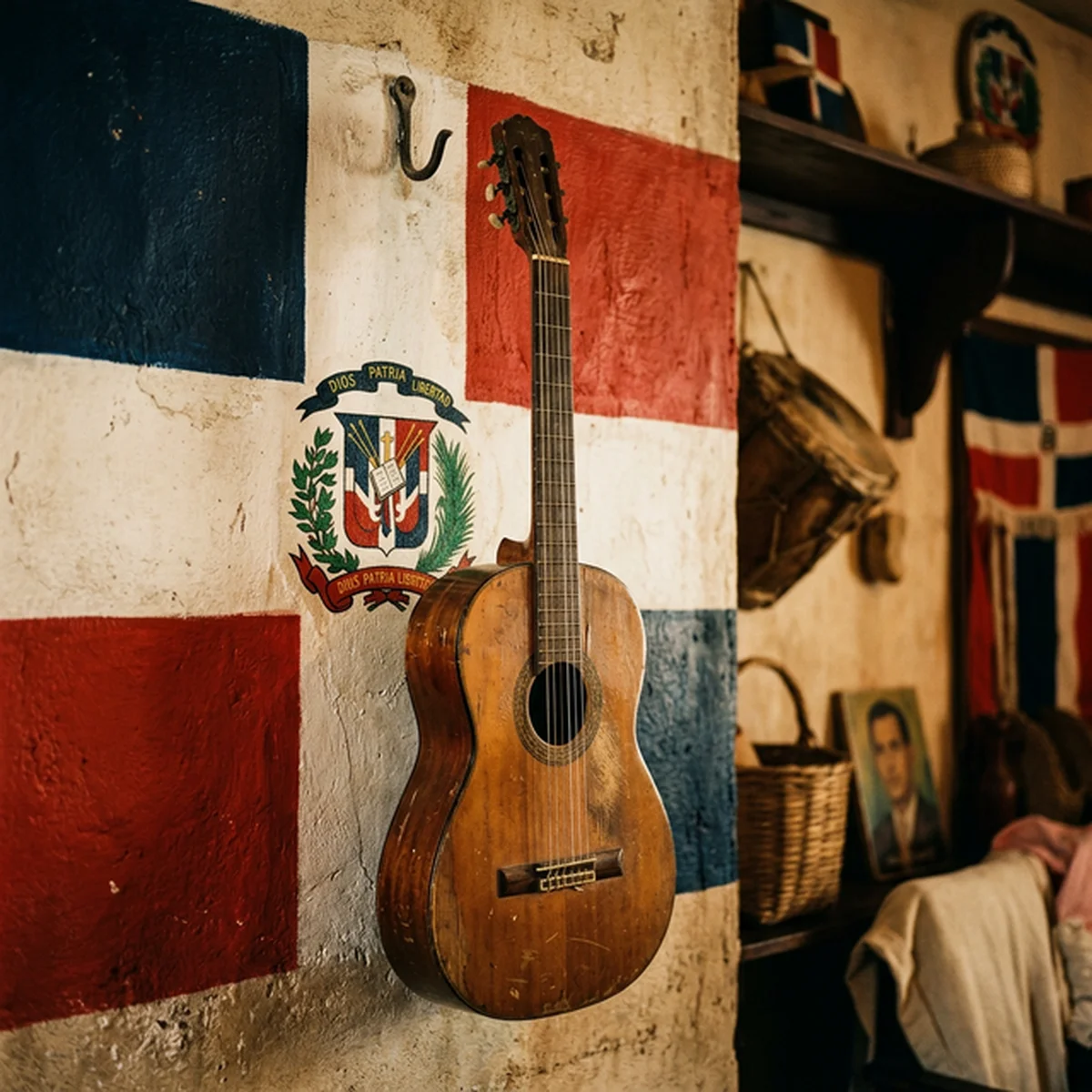
Today, Bachata is danced in sleek studios and massive congresses from Zurich to Tokyo. But if you have ever wondered "where is Bachata from?" or "where was Bachata born?", the answer takes us back to humble, gritty beginnings. Born in the rural countryside and marginalized neighborhoods of the Dominican Republic, Bachata is a genre that fought for its voice. If you want to experience this energy firsthand, joining Bachata classes in Zurich is the best way to start your dance journey.
Where Was Bachata Born? The Origins
Bachata was born in the Dominican Republic in the early 1960s, shortly after the fall of the Trujillo dictatorship. Its roots can be traced back to the Cuban Bolero, Son, and Troubadour traditions.
Dominican musicians took the slow, romantic rhythm of the Bolero and infused it with their own flair, using instruments like the Requinto (a smaller lead guitar with a metallic sound), bongo, and güira. This unique combination created the authentic Bachata sound we recognize today. To learn more about the genre and how it is danced, visit our complete guide to Bachata.
Why Was Bachata Prohibited in the Past?
For decades, Bachata was socially prohibited and fiercely stigmatized. It was originally known as música de amargue—music of bitterness. The lyrics spoke of heartbreak, longing, illicit love, and the struggles of everyday rural life.
Because of its association with poverty and rural backwardness, the Dominican high society rejected it. It was labeled as "vulgar" and "low-class," predominantly played in bars, brothels, and shantytowns. Mainstream radio stations refused to play it, and it was effectively banned from acceptable social venues. Yet, the people loved it. It was their truth, strummed on a guitar with a rhythm that compelled you to move.
Essential Instruments: The Sound of Bachata
To truly appreciate the history, you must understand the "Soul" of the music. Unlike Salsa, which relies on a full brass section, Bachata is defined by its guitar-driven sound. The Requinto is the lead guitar that plays the melodic hooks, while the Segunda (rhythm guitar) adds the complex syncopation.
The heartbeat is provided by the Bongo, which anchors the rhythm, especially on the 4th beat. The Güira (metal scraper) adds the high-energy texture, and the Bass provides the deep, walking lines that give Bachata its undeniable groove.
Bachata Dance History: The Rise to Acceptance
Slowly, the stigma began to fade. Artists like Luis Segura began to bring a more polished sound, reaching a wider audience. But the true explosion happened in the 90s and 2000s.
Juan Luis Guerra, a classically trained musician, released the album Bachata Rosa in 1990, winning a Grammy and proving the genre's artistic merit to the world. He bridged the gap between the "lower class" roots and the international stage.
Then came Aventura. This group of Bronx-born Dominicans, led by Romeo Santos, infused Bachata with R&B, Pop, and Hip Hop. They created a modern sound that resonated with a global youth generation. Suddenly, Bachata was not just for your parents—it was cool, it was sexy, and it was everywhere.
UNESCO: A Victory for Dominican Culture
In December 2019, Bachata reached its greatest official milestone. It was officially declared an Intangible Cultural Heritage of Humanity by UNESCO. This recognition validated the struggle of the early 1960s artists who were once marginalized and recognized Bachata as a world-class artistic contribution.
Bachata Today
Today, the Bachata dance origin story continues to evolve. We have Traditional / Dominican Bachata, staying true to the fast footwork and authentic rhythms. We have Bachata Sensual, born in Spain, focusing on body isolations and connection. And we have Bachata Moderna, blending various styles.
Experience the Roots in Zurich
Ready to start your own dance journey? From the foundations to the latest styles, we have a class for you. Check our weekly schedule or register today to join our community.
BOOK A FREE TRIAL7 Surprising Facts About Bachata History
- First Recording: The very first Bachata song was "Que Viva el Amargue" by José Manuel Calderón in 1962.
- The Name: The word "Bachata" originally meant a "party" or "informal social gathering" in the countryside.
- Stolen Rhythm: For years, Bachata was so stigmatized that artists had to label their records as "Bolero Campesino" (Country Bolero) to get them sold.
- The Censorship: Until the mid-80s, you would almost never hear a Bachata song on "respectable" national radio in the DR.
- Grammy Milestone: Juan Luis Guerra's 'Bachata Rosa' (1990) was the first Bachata album to win a Grammy.
- Traditional vs. Sensual: Traditional Bachata focuses on rhythmic footwork, while the Sensual style (born in Spain) emphasizes body waves and isolations.
- Global Presence: Zurich is now home to one of the most vibrant Bachata communities in Switzerland!
Quick Facts: Bachata History FAQ
Bachata is from the Dominican Republic. It was born in the early 1960s in rural neighborhoods and shantytowns after the fall of the Trujillo dictatorship.
Bachata was socially prohibited because it was associated with poverty and rural life. It was labeled 'música de amargue' (music of bitterness) and banned from mainstream radio for decades.
The roots of Bachata lie in the Cuban Bolero, Son, and Troubadour traditions. Dominican musicians adapted these with the Requinto guitar, bongo, and güira to create its unique rhythm.
Inspired by the Roots?
Experience the authentic rhythm and footwork at our upcoming intensive.
JOIN DOMINICAN BOOTCAMP