Dance Education
Understanding the history, music, and language of Bachata.
History of Bachata
Bachata originated in the rural neighborhoods of the Dominican Republic in the early 1960s. Initially, it was known as "amargue" (bitterness) music, reflecting themes of heartbreak, loss, and longing.
Deep Dive into the Roots
Want to know why Bachata was prohibited and how it became a global sensation? Start with our complete guide to Bachata music and dance.
READ THE FULL STORY →It wasn't until the 1990s, with artists like Juan Luis Guerra, that Bachata gained international recognition. In the early 2000s, the group Aventura revolutionized the genre by infusing it with R&B and Pop elements.
Bachata Styles Explained
As Bachata spread across the globe, it evolved into distinct styles. Understanding these differences helps you respect the roots while enjoying modern interpretations. Mastering each style is essential to becoming a complete dancer, as different songs and energies call for different ways of moving.
Dominican (Traditional)
The Roots. This is the original style danced in the DR. It focuses heavily on footwork (steps) rather than turns.
- Music: Faster tempo, guitar-dominated, raw acoustic sound.
- Movement: Focus on footwork (steps), playful syncopations, and hip movement.
- Connection: Typically open or close position, focusing on rhythmic partnership.
Bachata Sensual
The Evolution. Created in Cádiz, Spain, by Korke & Judith. It interprets the music through body isolations and waves.
- Music: Modern, melodic remixes or pop, with less heavy guitar.
- Movement: Flowy body isolations, waves, and circular movements.
- Connection: Close contact position, leading through frame and body points.
Bachata Fusion
The Fusion. A bridge between the two. It incorporates the turn patterns of Salsa and the basic steps of Traditional.
- Music: Urban fusion, incorporating R&B, Pop, and Hip-Hop elements.
- Movement: Turn patterns, cross-body leads, and intricate arm work.
- Connection: Dynamic interplay, frequently switching between open and closed holds.
Musicality Guide
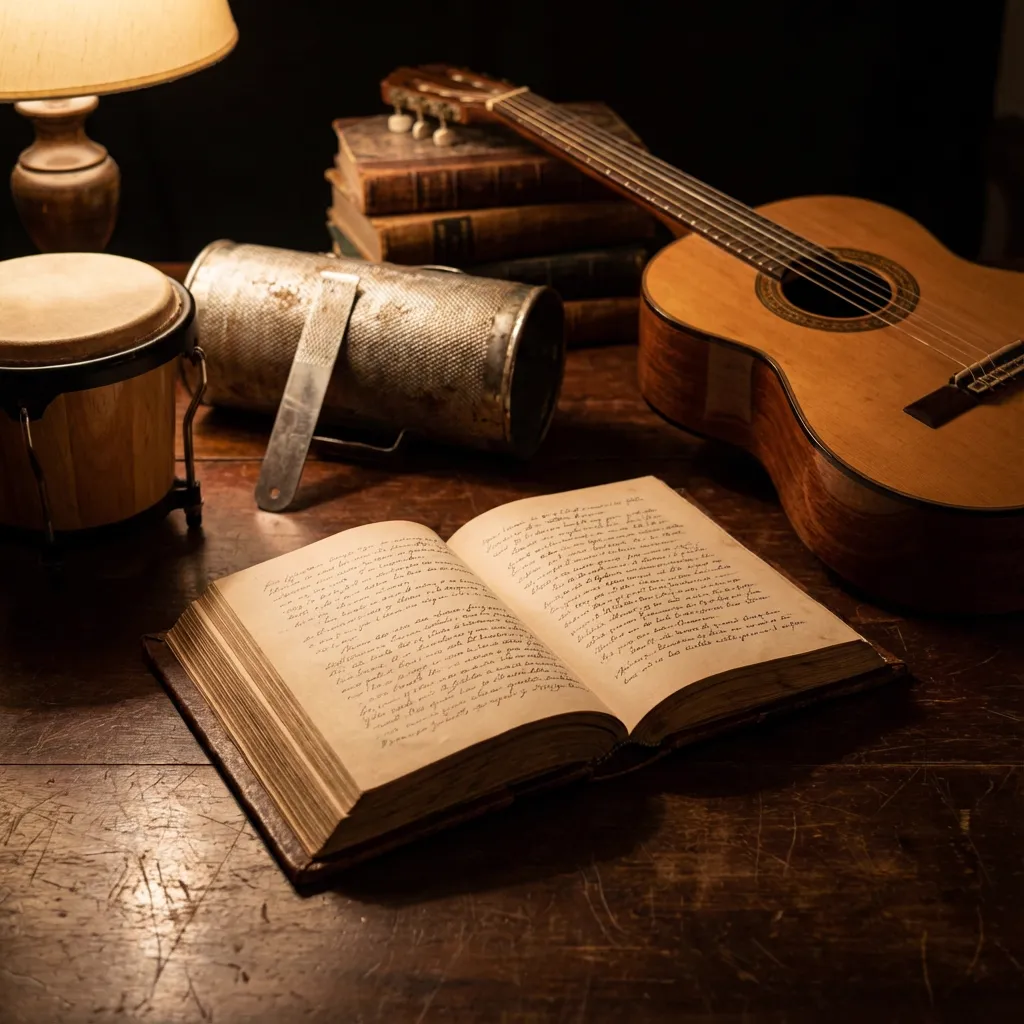
Bachata music is driven by a specific set of instruments. Learning to listen to them allows you to predict the music and dance "in the pocket."
- Requinto (Lead Guitar) The melodic leader. It plays the intro, the solos, and sets the mood. Dancers often follow the Requinto with their footwork.
- Segunda (Rhythm Guitar) Adds syncopation and harmony. It supports the Requinto and fills the rhythmic space.
- Bass (Bajo) The heartbeat. It usually plays on beats 1, 3, and 4 (often holding the 4). It drives the energy and signals section changes.
- Bongo The rhythmic engine. The heavy hit on the 4th beat (the "Macho" drum) is what gives Bachata its drive.
- Güira The metal scraper. It keeps the timing and adds the high-frequency texture that makes the music danceable.
Song Structure
Bachata songs are typically divided into four main sections: Intro, Derecho (Verse - steady beat), Majao (Chorus - upbeat rhythm with bongo rolls), and Mambo (High energy, instrumental section). Good dancers anticipate these changes to adjust their energy and movement style accordingly.