What is Bachata?

What is Bachata? Inside the Bachata Sound

What is Bachata? It is a conversation between metal, wood, skin, strings, and voice. Follow the five instruments that create the feeling behind every step.

Section 01

The Bachata Rhythmic Pulse

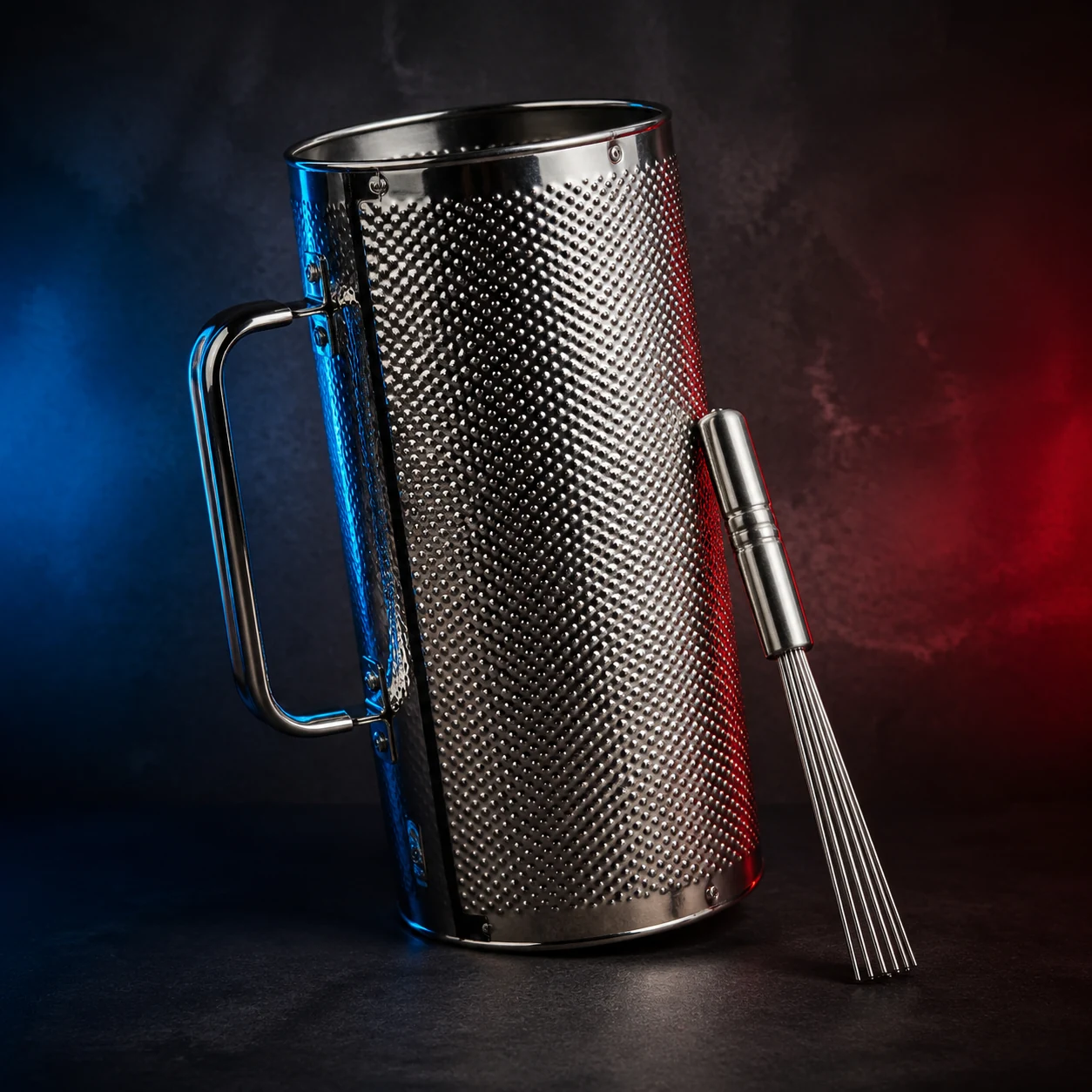
The güira is the bright metal pulse that keeps Bachata moving. Its rasp cuts through the band with a steady stream of texture, marking time while adding the crisp snap that makes the rhythm feel alive.

For dancers, it is one of the easiest sounds to follow when finding the groove. Listen for the scratch, the release, and the tiny accents between the main beats; they create the shimmering energy that makes Bachata feel playful instead of flat.

Section 02

El Martillo

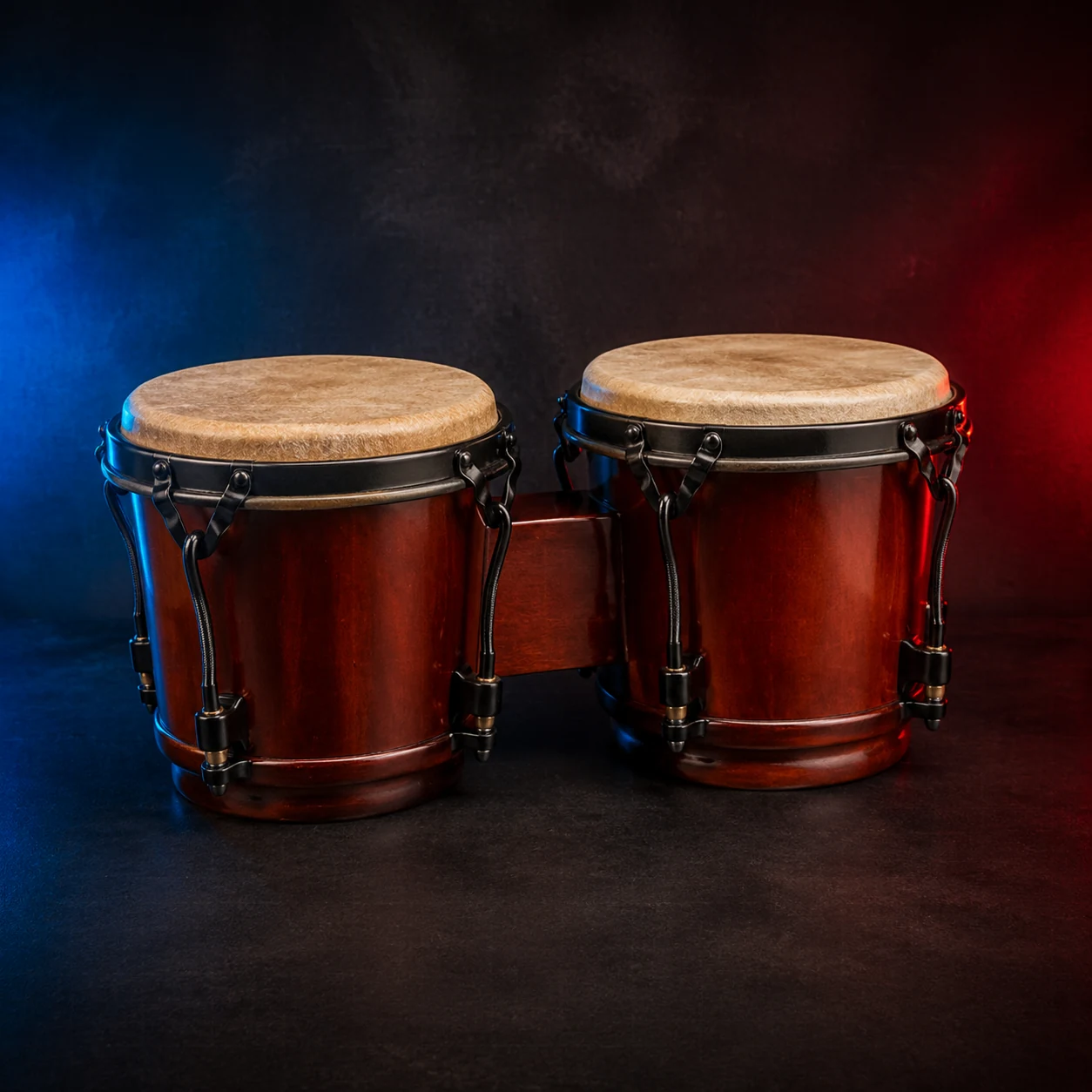
The bongos speak in two voices: the smaller macho drum gives sharper tones, while the larger hembra drum brings a rounder, deeper answer. Together they play el martillo, the hammer pattern that gives Bachata its unmistakable bounce.

This rhythm does more than keep time. It converses with the güira, opens space for breaks, and often signals changes in energy. When the bongos improvise, dancers feel it as a lift, a pause, or a sudden invitation to play with the music.

Section 03

Chop And Harmony

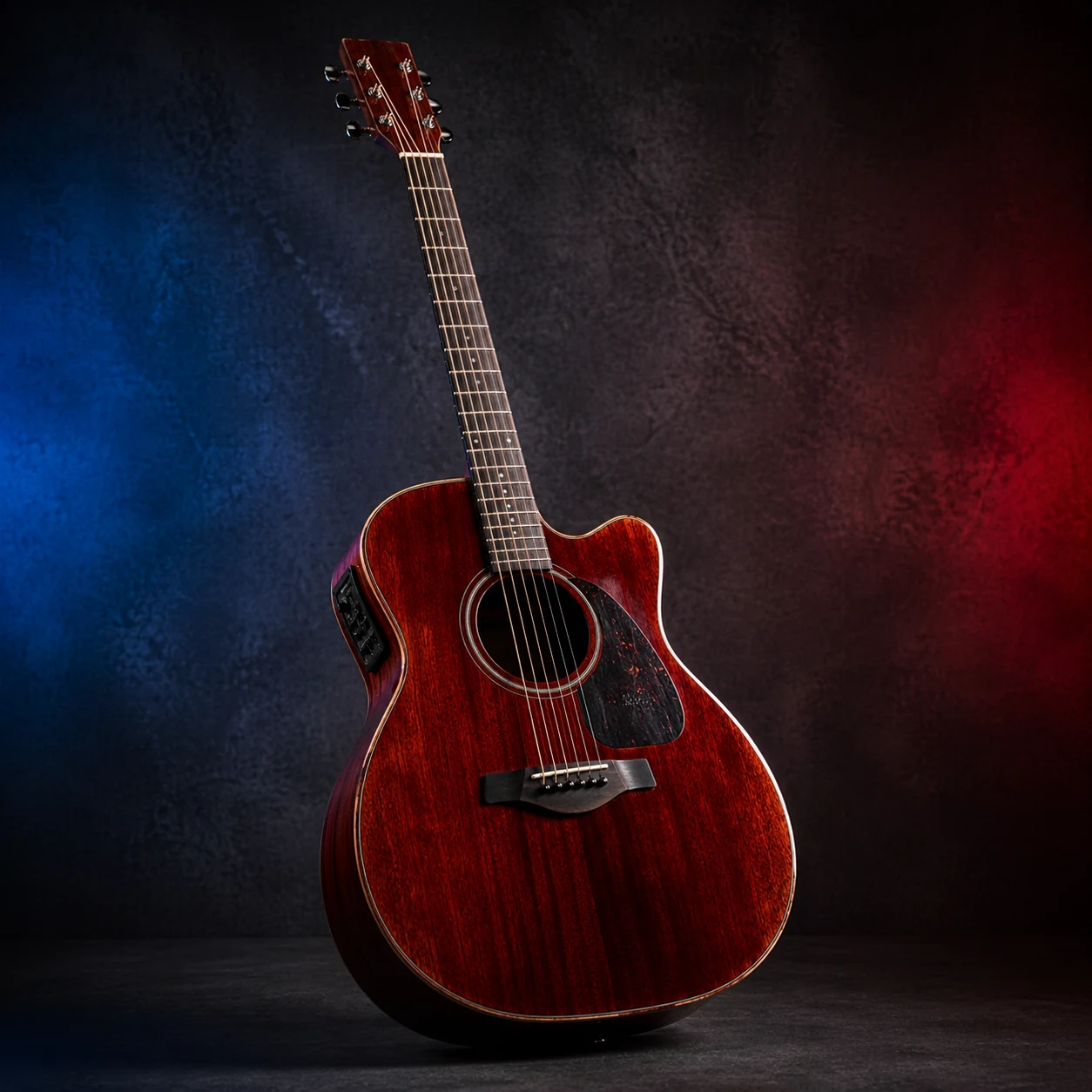
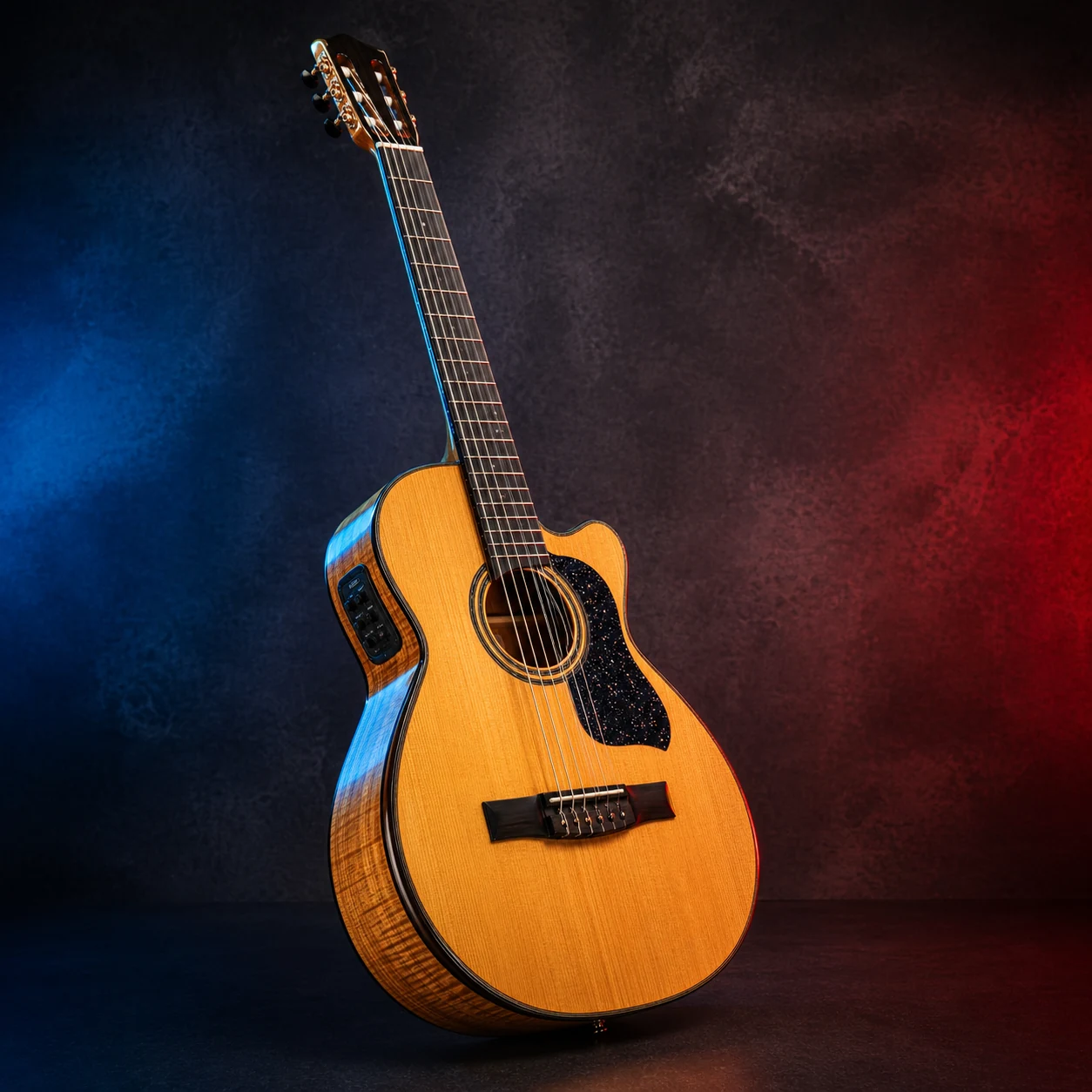
The segunda, also called the rítmica, is the rhythm guitar that gives Bachata its forward push. Instead of taking the spotlight, it locks into short chord chops, muted strums, and syncopated accents that glue the percussion and harmony together.

Its job is subtle but essential. The segunda shapes the feel of the song: relaxed and romantic in softer passages, sharper and more percussive when the music drives. Without it, Bachata loses much of the spring that dancers feel under their steps.

Section 04

The Bachata Bass Foundation

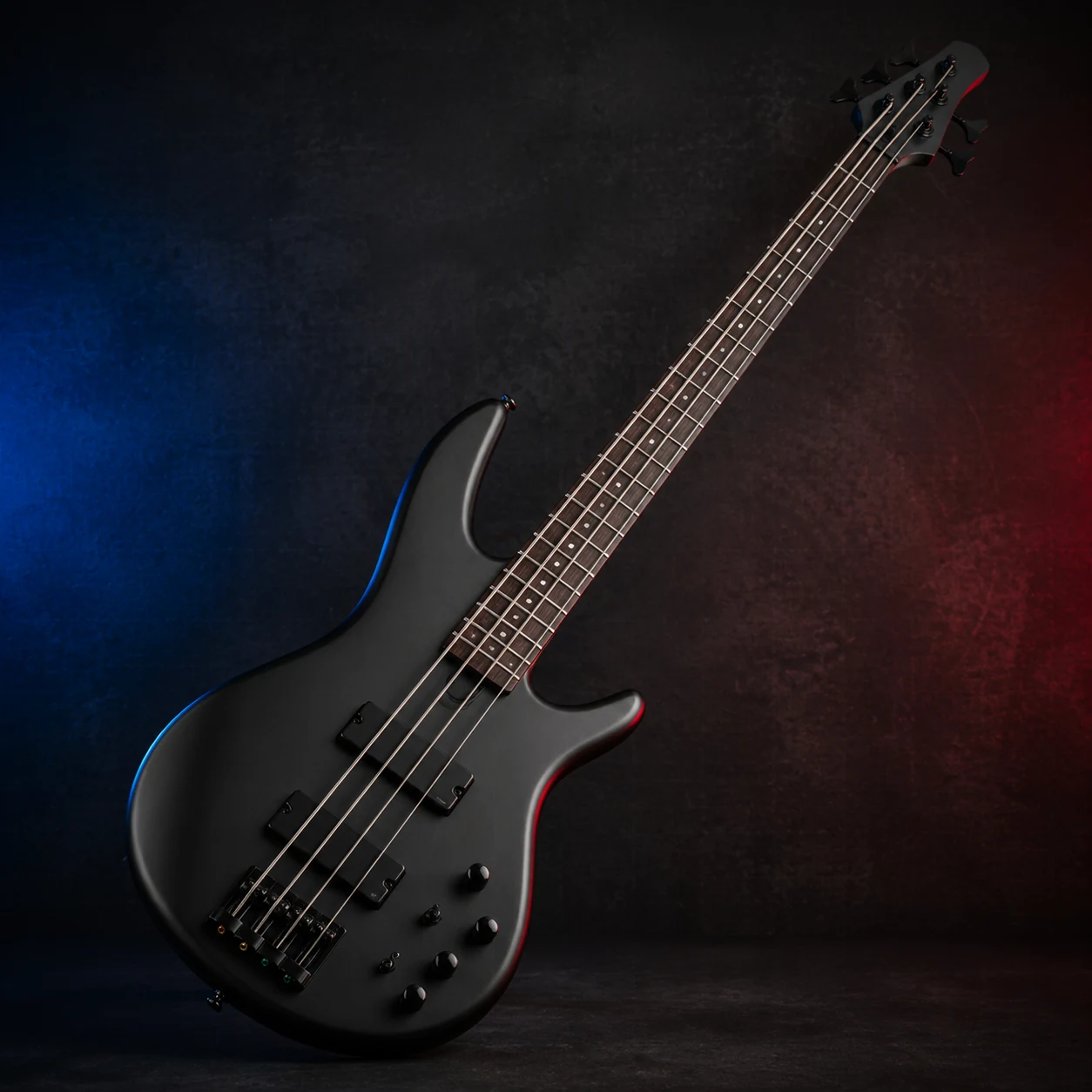
The bass is the floor of the whole arrangement. It anchors the harmony, outlines the chord changes, and often walks with a melodic quality that feels almost like a second singer underneath the guitars.

In Bachata, the bass does not simply sit on the beat. It pushes, answers, and creates counterpoint against the bongos and guitars. For dancers, it gives weight to the body and helps make the tap, pause, or hip action feel grounded rather than decorative.

Section 05

The Singing Requinto

The requinto is the lead guitar, the voice that most people recognize first in Bachata. It plays bright arpeggios, melodic hooks, fills, and solos that give the song its emotional signature.

It can sound sweet, nostalgic, playful, or dramatic within just a few notes. When the requinto answers the singer or rises above the band, it tells dancers where the feeling is: when to soften, when to accent, and when to let the music breathe.

From Sound To Social Dance

Bachata began in the Dominican Republic and grew from intimate guitar music into one of the most loved social dances in the world. The basic dance structure is approachable: three steps and a tap, danced to a warm 4/4 rhythm with space for play, connection, and musicality.

The magic is that the music feels simple at first and then keeps revealing detail. The güira gives shimmer, the bongos speak in syncopation, the segunda drives the groove, the bass walks, and the requinto sings over everything.

Ready to hear it in your own steps?

Join a structured Bachata class in Zurich Altstetten and connect the rhythm, instruments, partnerwork, and dance floor from the first lesson.

View weekly schedule