Salsa or Bachata — which one should you learn? It is one of the most common questions people ask when they first discover Latin dance. Both are incredible social dances, but they feel completely different on the floor. Here is a comprehensive breakdown to help you choose — or convince you to learn both.
Where Do Salsa and Bachata Come From?
Understanding the origins of Salsa and Bachata helps explain why they feel so different today.
Salsa emerged in 1970s New York City, born from a melting pot of Afro-Cuban rhythms (Son, Mambo, Guaracha), Puerto Rican influences, and American jazz. The Fania All-Stars, Celia Cruz, and Hector Lavoe turned it into a global movement. Today, the main Salsa styles are Salsa On1 (LA style), Salsa On2 (New York Mambo), and Cuban Salsa (Casino).
Bachata was born in the 1960s Dominican Republic as the music of the rural working class — often dismissed by the elite as "música de amargue" (music of bitterness). Pioneers like José Manuel Calderón and later Juan Luis Guerra brought it mainstream. For a deeper dive into Bachata's extraordinary history, read our article on the roots and origins of Bachata. It evolved into multiple styles: Bachata Dominicana (traditional, fast footwork), Bachata Sensual (body waves, close connection), and Bachata Moderna (a fusion of both).
Salsa vs Bachata: Side-by-Side Comparison
Salsa Music
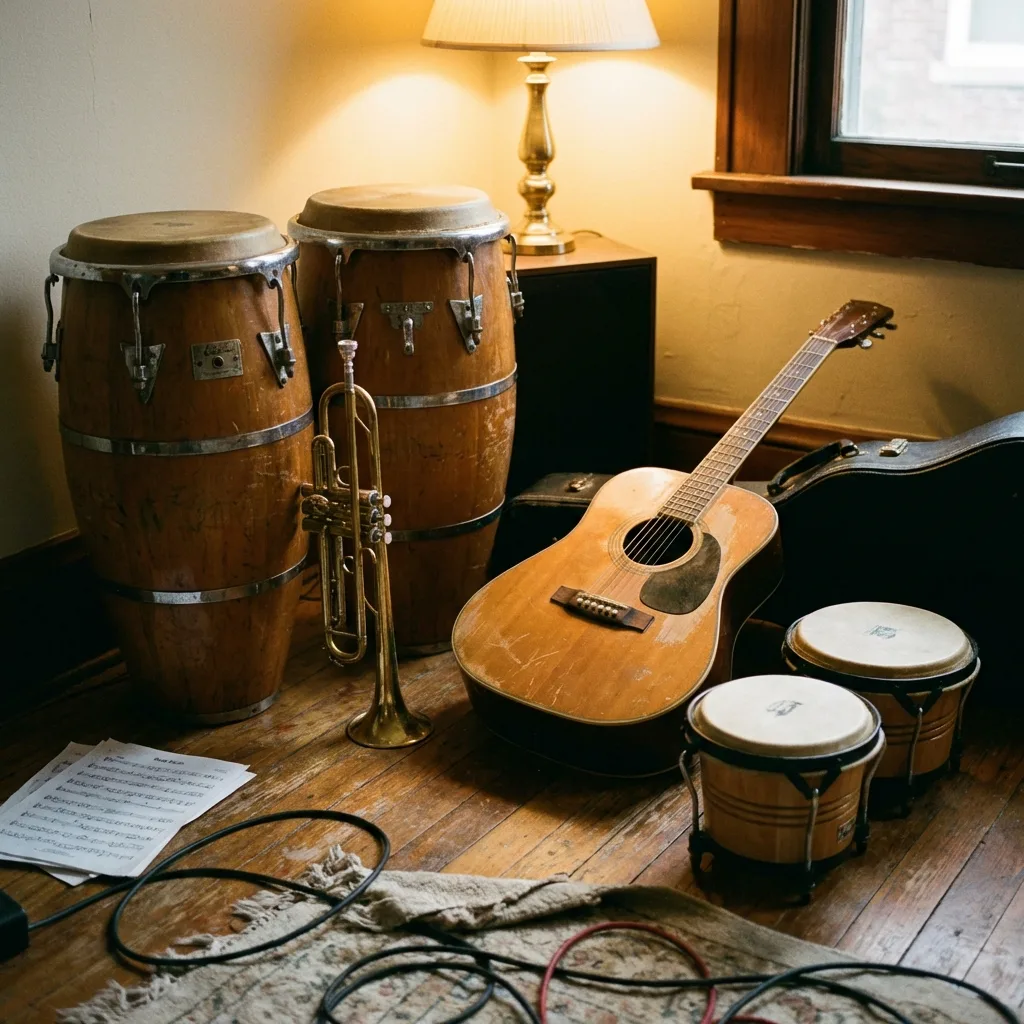
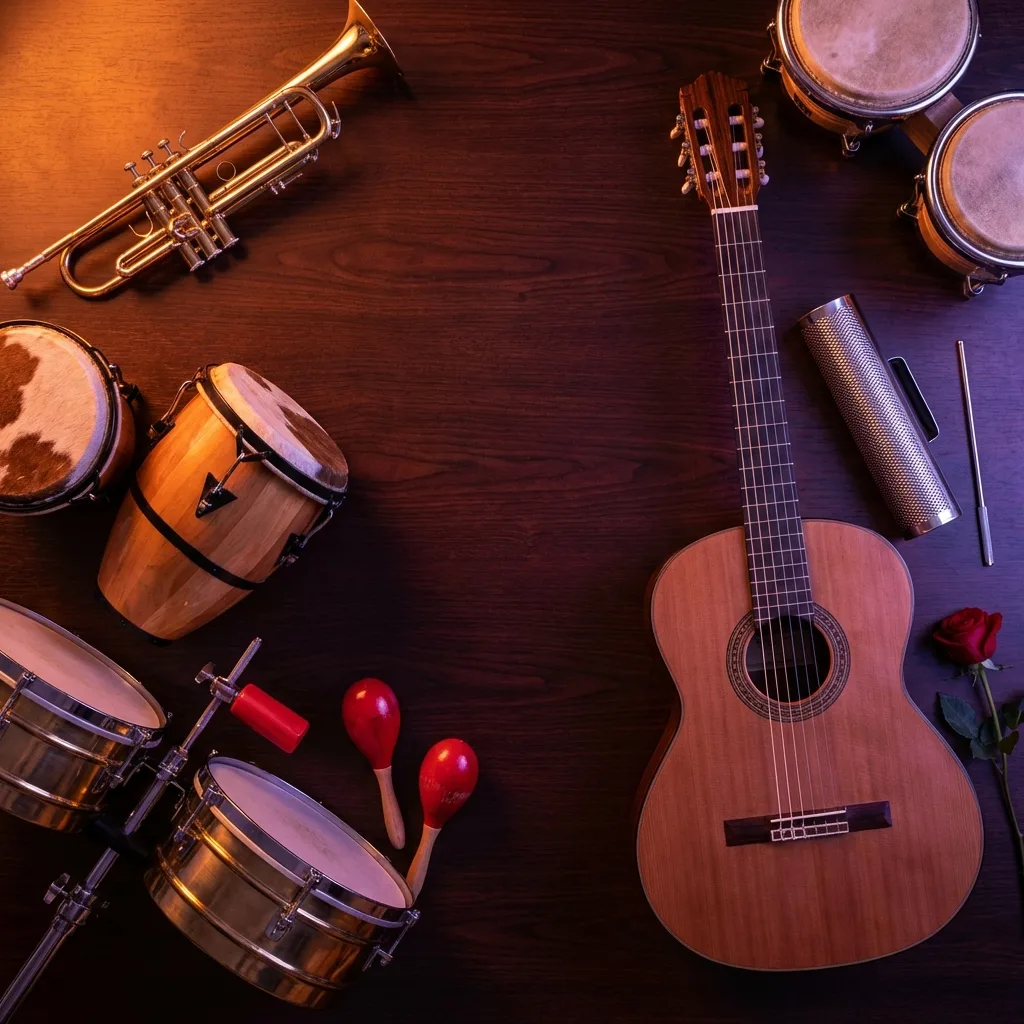
Fast, energetic, and brass-driven. Congas, timbales, and trumpets create a powerful rhythm at 150–250 BPM. The music makes you want to move fast and sharp.
Bachata Music
Slow, romantic, and guitar-driven. Acoustic guitar, bongos, and güira create a smooth rhythm at 120–140 BPM. The music invites you to feel, not rush.
Salsa Footwork
Quick-quick-slow timing with complex turn patterns, shines, and crossbody leads. Requires speed, precision, and strong core stability.
Bachata Footwork
Simple side-to-side four-step pattern with a signature tap on count 4. Focus is on hip movement, body waves, and the connection between partners.
Salsa Partner Connection
Typically danced in open position with frequent switches between open and closed frames. The lead guides through hand pressure and frame.
Bachata Partner Connection
Often danced in a close embrace. Body movement, weight shifts, and musicality are shared intimately. Bachata Sensual is known for its deeply connected, fluid style.
Is Bachata More Sensual Than Salsa?
Short answer: usually yes. Bachata — especially Bachata Sensual, which was developed by Korke and Judith in Cadiz, Spain — is danced in close embrace with body waves, isolations, and fluid partner connection. The romantic music naturally encourages a more intimate expression.
Salsa, on the other hand, is more about energy, speed, and playfulness. It is less about the physical closeness and more about the dynamic interaction — fast turns, dramatic dips, and synchronized shines. However, Cuban Salsa (Casino) can also be danced in close position and has a warm, playful sensuality of its own.
The truth is, both dances can be as sensual or as playful as the dancers choose. It depends on the style, the song, and the individual connection.
Why Most Dancers Learn Both
At almost every Latin dance social event around the world — from Zurich to Miami — the DJ plays both Salsa and Bachata throughout the night. If you only know one, you are sitting out for half the songs.
Learning both makes you a complete Latin dancer:
- Salsa improves your timing — the faster rhythm challenges your musicality
- Bachata improves your connection — the slow tempo teaches you to feel your partner
- Cross-training makes you versatile — your Salsa sharpness adds flair to Bachata, and your Bachata smoothness adds quality to Salsa
- Double the social opportunities — you can dance all night without sitting out
At AXcent Dance in Zurich, our curriculum includes elements of Salsa, Merengue, and ChaCha alongside our core Bachata program. We believe this holistic approach creates dancers who are adaptable, musical, and confident on any dance floor. Check our weekly class schedule to find a level that fits you.
Frequently Asked Questions
What is the main difference between Salsa and Bachata music?
Salsa music is energetic and brass-driven, featuring congas, timbales, and trumpets with a fast tempo. Bachata music is guitar-driven and romantic, with bongos and güira providing a slower, more sensual rhythm. Salsa originated in 1970s New York from Afro-Cuban roots, while Bachata developed in the 1960s Dominican Republic.
Can you dance both Salsa and Bachata at the same social event?
Absolutely. Most Latin dance social events (called "socials") play both Salsa and Bachata music throughout the night. Knowing both dances means you can dance all night without sitting out. Many dance schools, including AXcent Dance in Zurich, teach both styles.
Which dance is more sensual, Salsa or Bachata?
Bachata is generally considered more sensual and intimate due to its slower tempo, closer partner connection, and emphasis on body movement and hip rolls. However, different styles exist within both dances — Bachata Sensual is the most intimate style, while Cuban Salsa can also be very close and connected.
Should I learn Salsa or Bachata first?
Starting with Bachata is often recommended for absolute beginners because of its simpler basic steps and slower tempo. Once comfortable, adding Salsa improves your overall musicality and coordination. Many dancers eventually learn both to become complete Latin dancers.
Try Both for Free
Still not sure? Browse our class schedule or register for a trial class at AXcent Dance in Zurich and experience the difference yourself. No partner needed, no experience required.
BOOK YOUR FREE TRIAL